


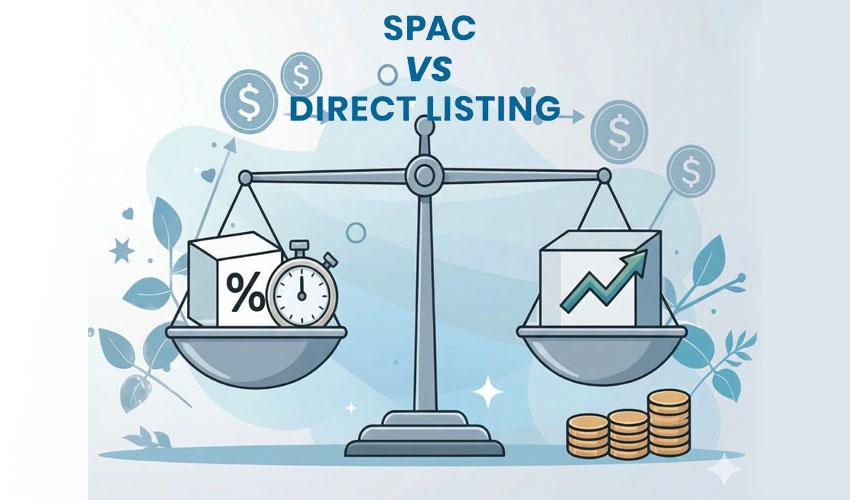
Companies can reach the public markets through several mechanisms. Each path changes which documents you read first and which parties bear execution risk. Below is a simplified map for learning—not a ranking of “better” outcomes.
Typically involves an underwriting syndicate, a roadshow, and an S-1/F-1 style registration statement. Focus on gross spread, stabilization language, and over-allotment options.
Often emphasizes existing shareholders selling into an opened order book without classic underwriting economics—still read the registration statement and any novel risk factors.
Involves a proxy or merger prospectus, sponsor promote, PIPE terms, and redemption mechanics. These features can be intricate; take notes and verify assumptions against the filing tables.
Again: educational context only. Structures evolve; your diligence should track the specific filing in front of you.
Questions about how we work? Visit our contact page—we are happy to clarify scope and limitations of our IPO research and advisory materials.


